Love is Culture, and Culture is Love
Through the centuries, love has been imagined, reimagined, and immortalized across every medium—from the strokes of a paintbrush to the flicker of the silver screen. It is the universal language that fuels our dramas and gives life to the many "faces" of art. After all, love is more than an emotion. it is a cultural force so potent it famously kept John Lennon and Yoko Ono in bed for days in the name of peace.
SWIPE has curated a premier selection of love classics to ignite your imagination. We dive into the latest cinematic masterpieces, timeless fine art and edgy contemporary exhibitions that redefine what it means to connect.
Explore our latest edit, find your next masterpiece, and perhaps get inspired to love. You might even find the perfect place for your next date.
Tracey Emin “A Second Life” at tate modern
Splashy and oversexualized to some. Dazzling, sensational, and profoundly thought-provoking to others. This is the raw duality of Tracey Emin’s “A Second Life” exhibition at the Tate Modern.
Emin challenges our preconceptions of romance, proving that love wears many masks. She explores a harrowing yet vital truth: that love for oneself must often be forged in the wreckage where love for others failed to bloom, leaving only the memory of a “painful bleed”.
Through a fearless process of self-exploration and a reflection on a past marked by sexual abuse, Emin reveals how trauma can sharpen an artist’s perspective. Her work displays the visceral connection between different forms of love, survival, and radical self-expression.
“A Second Life” is a journey through the intimate and the infinite.
The exhibition is on display at Tate Modern until August 31, 2026.
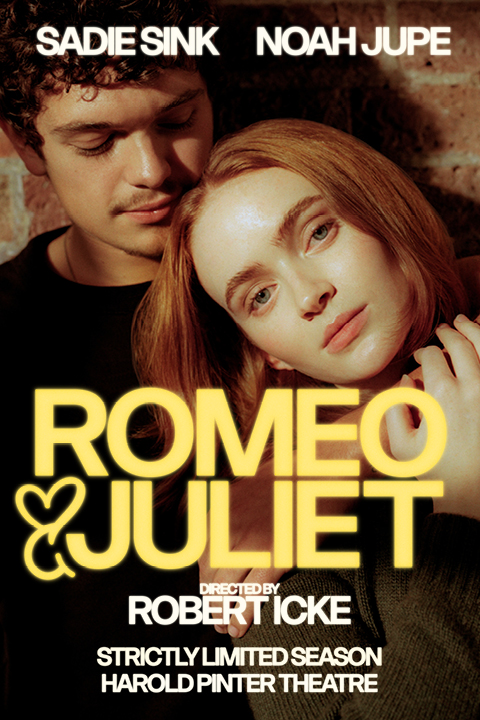
Image source: Harold Pinter theatre
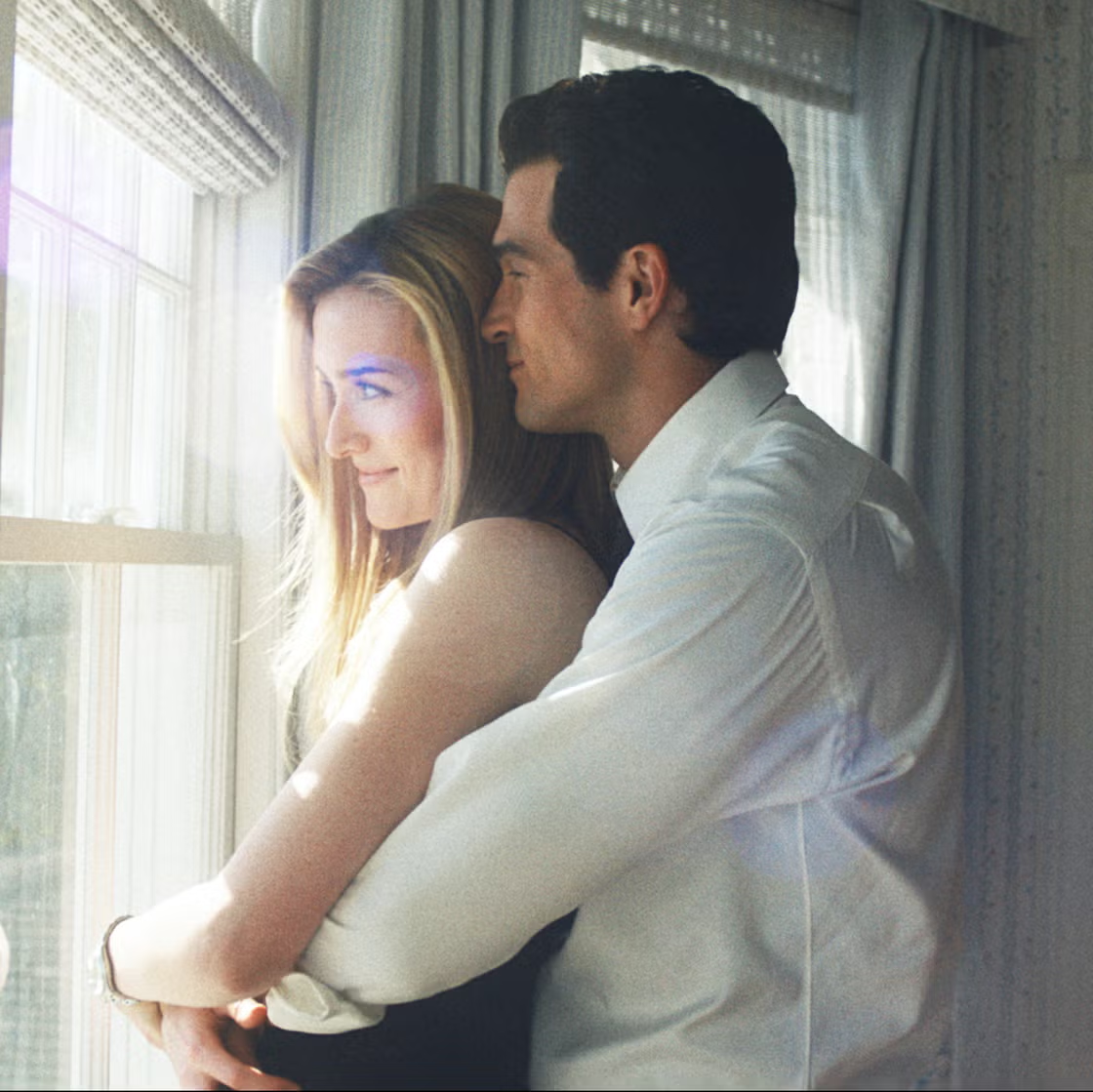
“American love story” by fx
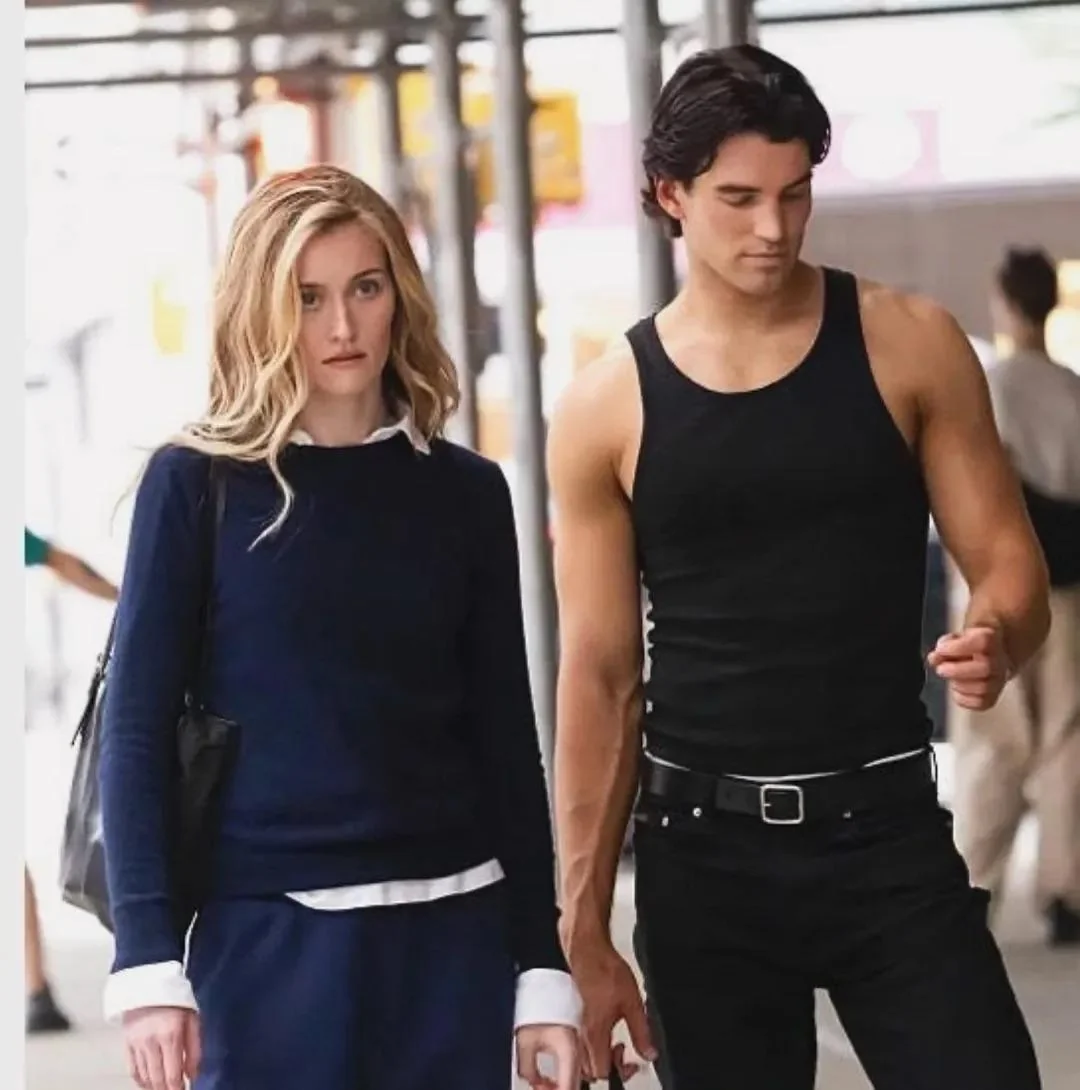
America, the Kennedys, a 90s shade playlist, black long sleeves, and a plane crash as the inevitable outcome of a great love — this is the atmosphere surrounding the new FX series tentatively titled American Love Story, co-directed by Ryan Murphy, the creative force behind American Horror Story, alongside his longtime collaborator Brad Falchuk.
At its core, the series revisits one of the most mythologized romances in modern American history: the relationship between John F. Kennedy Jr. — often framed as America’s own prince — and Carolyn Bessette-Kennedy, the Calvin Klein PR who became a symbol of 90s minimalism and elusive glamour.
Since its release in February, the show has quickly turned into one of the most talked-about series of 2026, gaining widespread attention and a devoted audience. Yet alongside its popularity, it has also sparked ongoing debate. Viewers continue to question how accurately these real historical figures are portrayed — not only in terms of personality and emotional dynamics, but in the smallest details: the precision of costumes, the choice of accessories, even the language and tone of everyday speech.
The result is a series that exists somewhere between stylized memory and historical reconstruction, inviting audiences to decide for themselves where authenticity ends and interpretation begins.
watch “American love story” at disney+ and hulu
Image source: Michael Hoppen Gallery
“The DRAMA” STARRING ROBERT PATTINSON AND ZENDAYA
What if the person you’re about to marry—the one you’ve built a life of trust with—reveals a past so dark it defies comprehension? This is the bone-chilling premise of Kristoffer Borgli’s The Drama (2026). In this A24 masterpiece, Zendaya and Robert Pattinson play Emma and Charlie, a picture-perfect couple whose world fractures just days before their wedding when Emma confesses a secret from her teenage years as she once meticulously planned a school shooting.
The film has sparked a massive cultural debate, currently locked in a head-to-head battle with Emerald Fennell’s Wuthering Heights for the title of the year’s most provocative cinema. While Fennell gives us a “banging,”modernized take on classic tragedy, Borgli gives us something far more uncomfortable: a mirror held up to our own boundaries of forgiveness.
WAtch “the drama” at apple tv
Credits: “American love story” 2026, dir by Max Winkler
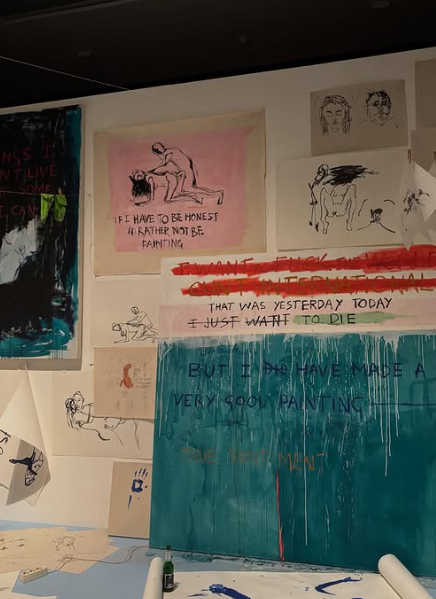
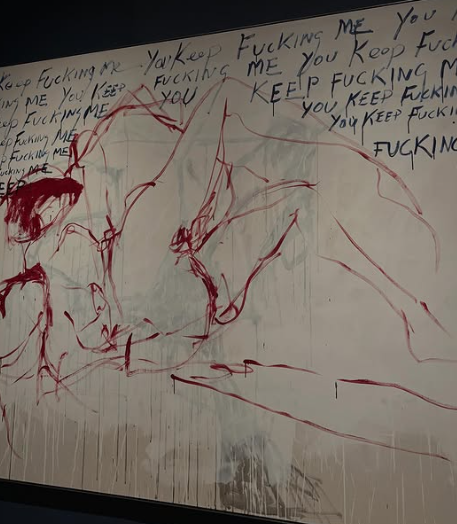
Image source: Liuba Romanova’s Instagram
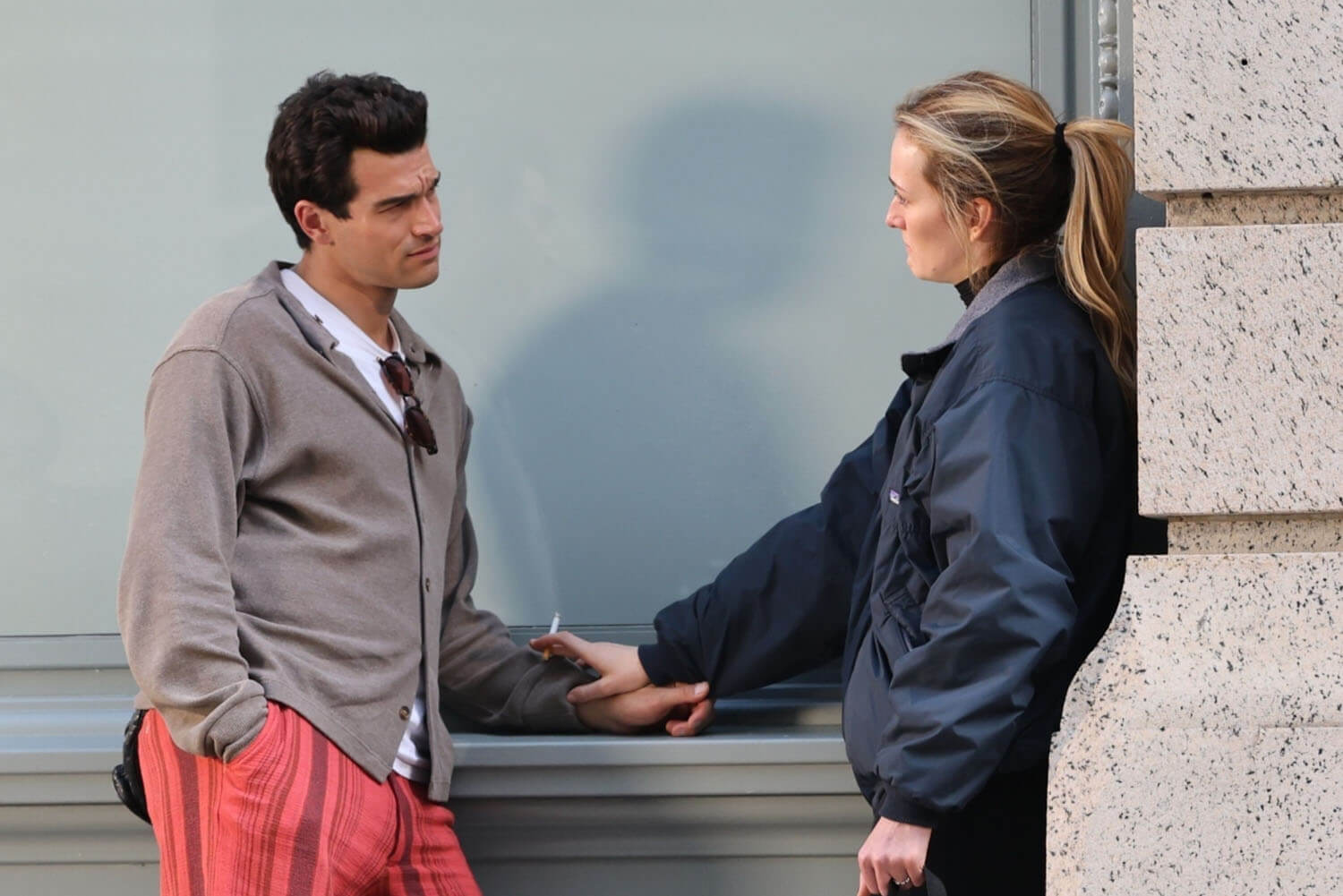
Image source: FX
“romeo&juliet ” at HAROLD PINTER theatre
It’s a tale as old as time, but it has never felt more current. Robert Icke’s high-octane reimagining of “Romeo&Juliet” has officially set the West End ablaze, proving that Shakespeare’s tragic masterpiece is truly never outdated.
Stepping into the spotlight for their highly anticipated stage debuts, Sadie Sink (Stranger Things) and Noah Jupe (A Quiet Place) bring a vibrant, Gen Z energy to the star-crossed lovers. Icke’s direction strips away the centuries of dust, delivering a production that is as “Sliding Doors” cinematic as it is classically heartbreaking.
The buzz at the Harold Pinter Theatre is undeniable; with a digital clock counting down the final moments of their lives, the tension is visceral. For two of Hollywood’s brightest young talents, this transition from screen to stage has been a triumph—and the record-breaking ticket sales are the only proof you need.
Experience the heat, the haste, and the heartbreak of London’s hottest ticket this season.
Catch Romeo&Juliet at the Harold Pinter Theatre, strictly limited until June 20, 2026.
Photography to know
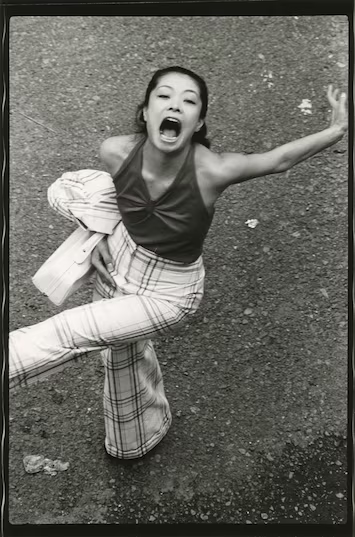
Love, obsession and the infinite loop between the two—a circle that rarely breaks until it finally shatters. The photography of Masahisa Fukase is perhaps the most haunting testament to this cycle, specifically his decade-long fixation on his wife and muse, Yōko Wanibe.
For nearly ten years, Fukase transformed their marriage into a performance for his camera. Most famously, he photographed Yōko daily as she left for work and returned home, capturing her from their window. It was a ritual that blurred the lines between devotion and surveillance. This relentless documentation eventually became a cage. Yōko later remarked that their life together was a “stifling dullness” punctuated by the click of a shutter. She finally left him in 1976, but for Fukase, the divorce was merely a shift in medium, not in muse.
Japanese archives (Masahisa Fukase Archives)
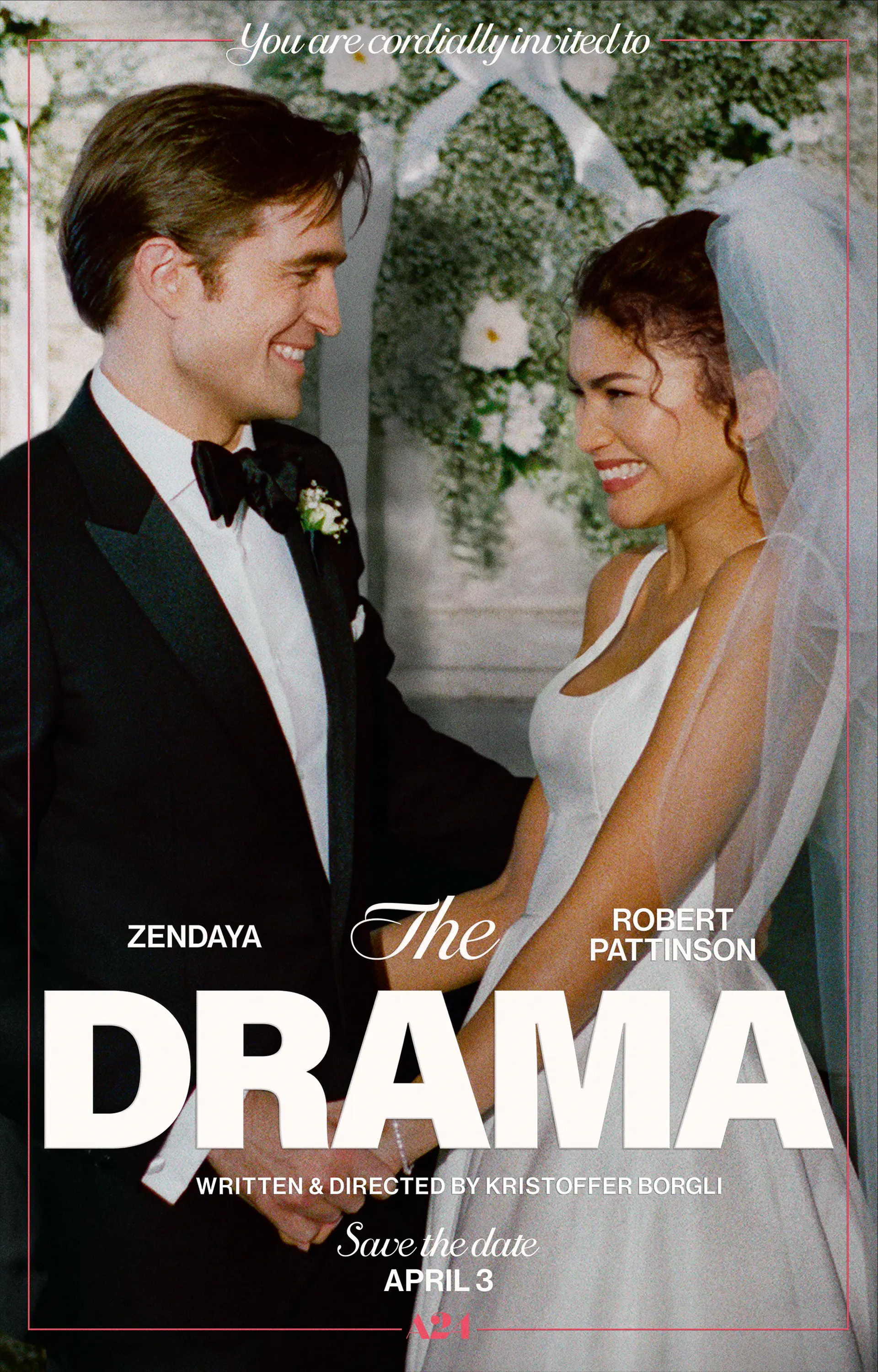
Image source: A24